01Microfibers
It sheds.
Synthetic fabric releases tiny plastic fibers as it is worn and washed. One wash load can release hundreds of thousands of them, and they turn up in water, in air and on skin.
Free US shipping over $150
Made in USA. 30-day fit guarantee.
About and the science
Most activewear is polyester, nylon and spandex. All three are plastics made from oil. We wanted the same fit from fibers that grow.
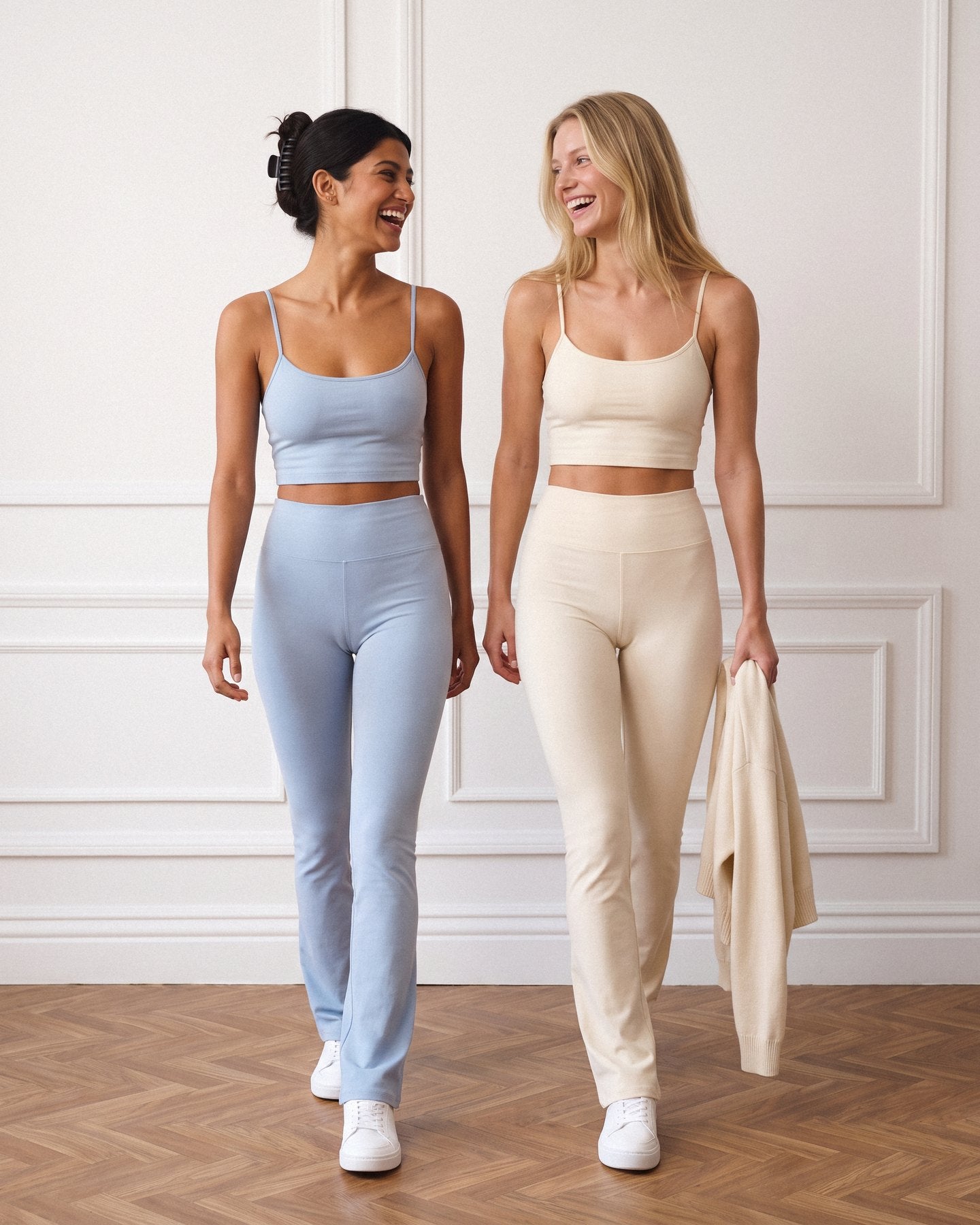
Why we started
It probably says something like 78% polyester, 22% spandex. That is a legging made of plastic, worn tight, for hours, while you sweat.
VIE is the alternative we wanted to wear. Organic cotton with plant-based stretch for women. Optim merino wool for men. Cut and sewn in the USA. It has to fit and feel as good as what it replaces, or none of the rest matters.
The problem
Polyester, nylon and standard spandex are made from oil. Leggings put them tight against some of the most absorbent skin on the body, for hours, through heat and sweat.
Synthetic fabric releases tiny plastic fibers as it is worn and washed. One wash load can release hundreds of thousands of them, and they turn up in water, in air and on skin.
Independent testing has found BPA in polyester and spandex leggings, sports bras and shorts from major brands, at up to 40 times California's safe limit. Stain and water resistant finishes are a common source of PFAS.
Polyester does not breathe the way cotton does. It keeps warmth and moisture against you, which is where odor and irritation start.
BPA figures: Center for Environmental Health, 2023. Fiber shedding: Napper and Thompson, 2016. These describe synthetic activewear in general, not a specific brand.
The bigger picture
Skin is not a wall. Researchers are still working out how much of what touches it gets in, and early lab work suggests sweat makes it easier. Until they know more, less plastic against your body is a reasonable bet.
of all fiber made in 2023 was polyester.
Textile Exchange, 2024
California's safe limit for BPA, found in leggings and sports bras from major brands.
Center for Environmental Health, 2023
plastic fibers can come off in a single wash load of synthetic fabric.
Napper and Thompson, 2016
Sources are listed on our science page. None of these studies tested VIE products, and none proves that a garment causes a health condition.
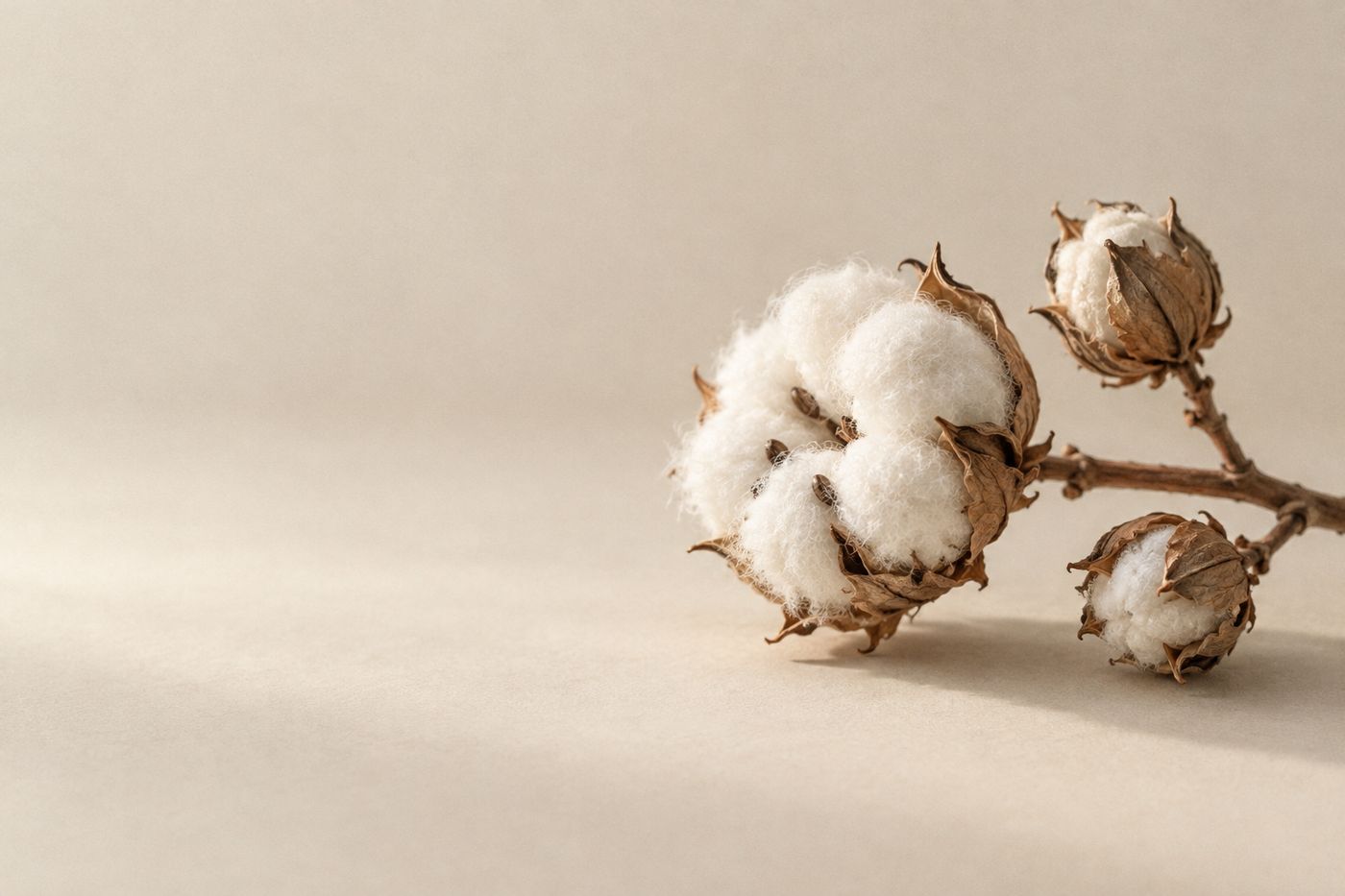
What we use instead
Cotton breathes, absorbs and has been worn against skin for thousands of years. Ours is grown without synthetic pesticides, knit with a small amount of bio-based spandex so it holds its shape, then brushed on both sides.
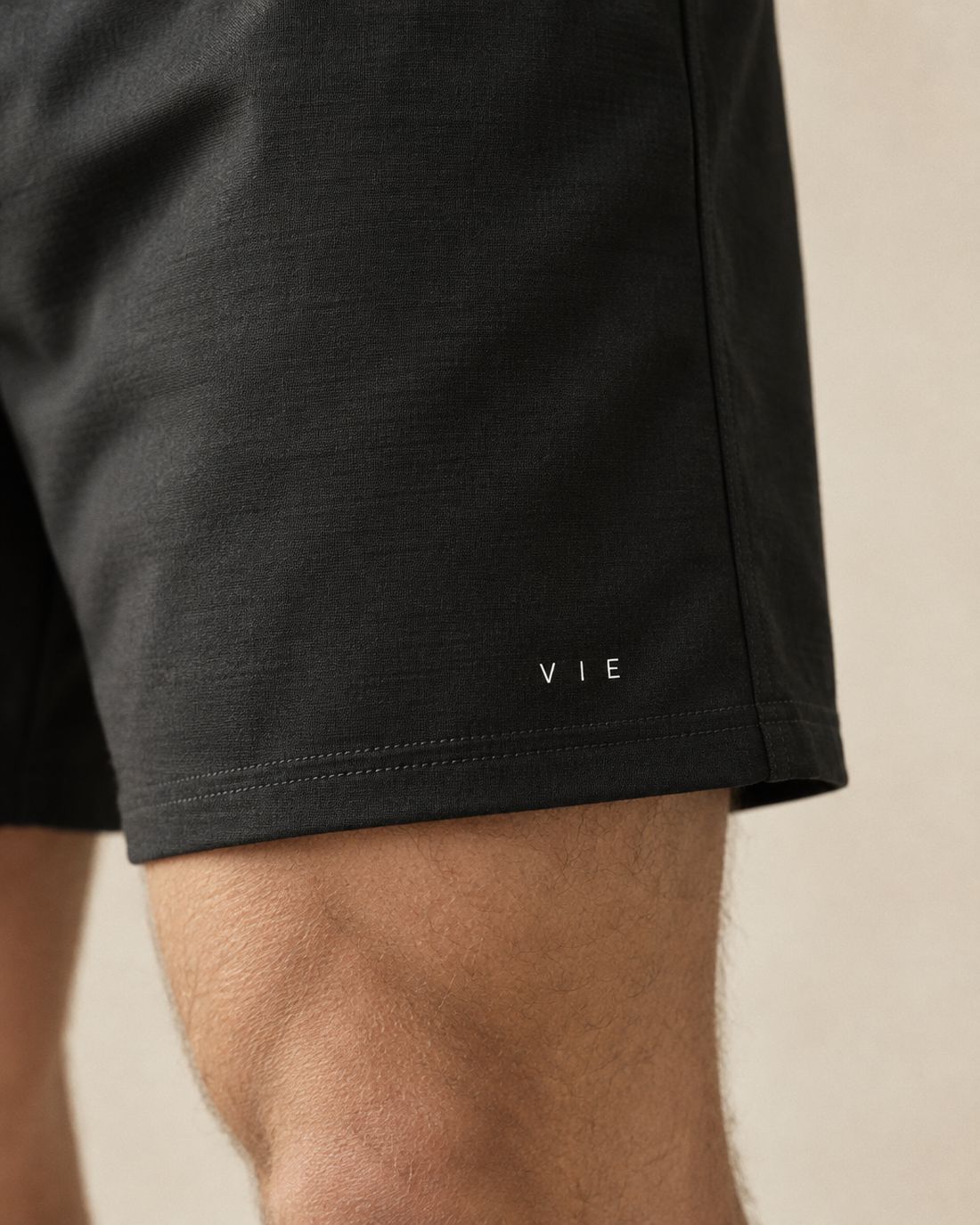
What we use instead
Optim is merino wool that is stretched, spun and woven so tightly it resists wind and light rain without any coating. It resists odor, dries fast and regulates temperature. It is what a training short can be when it does not start as oil.
How it's made
Organic cotton, grown without synthetic pesticides or fertilizers.
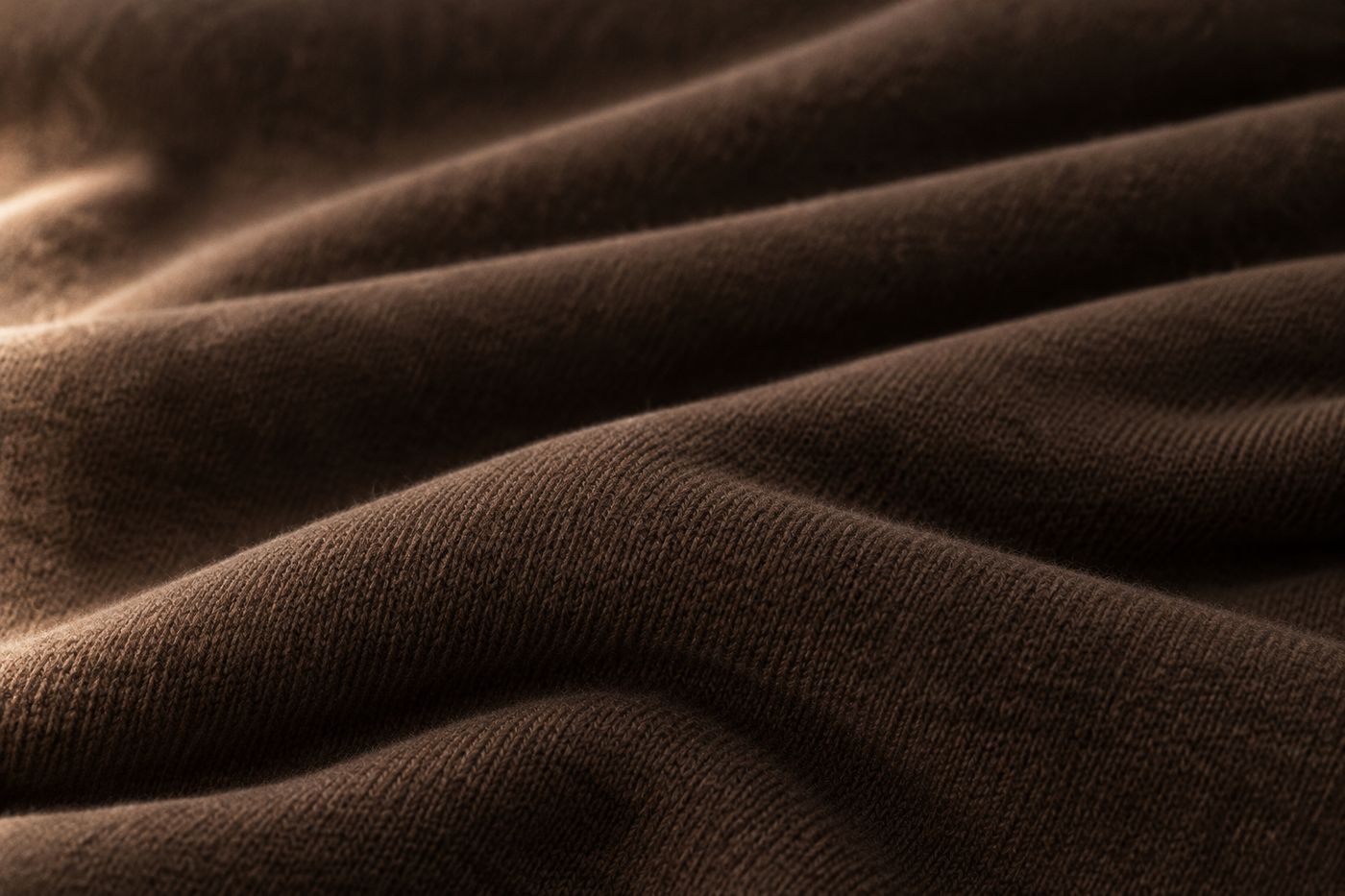
Knit with bio-based spandex, then brushed on both sides for the soft hand.
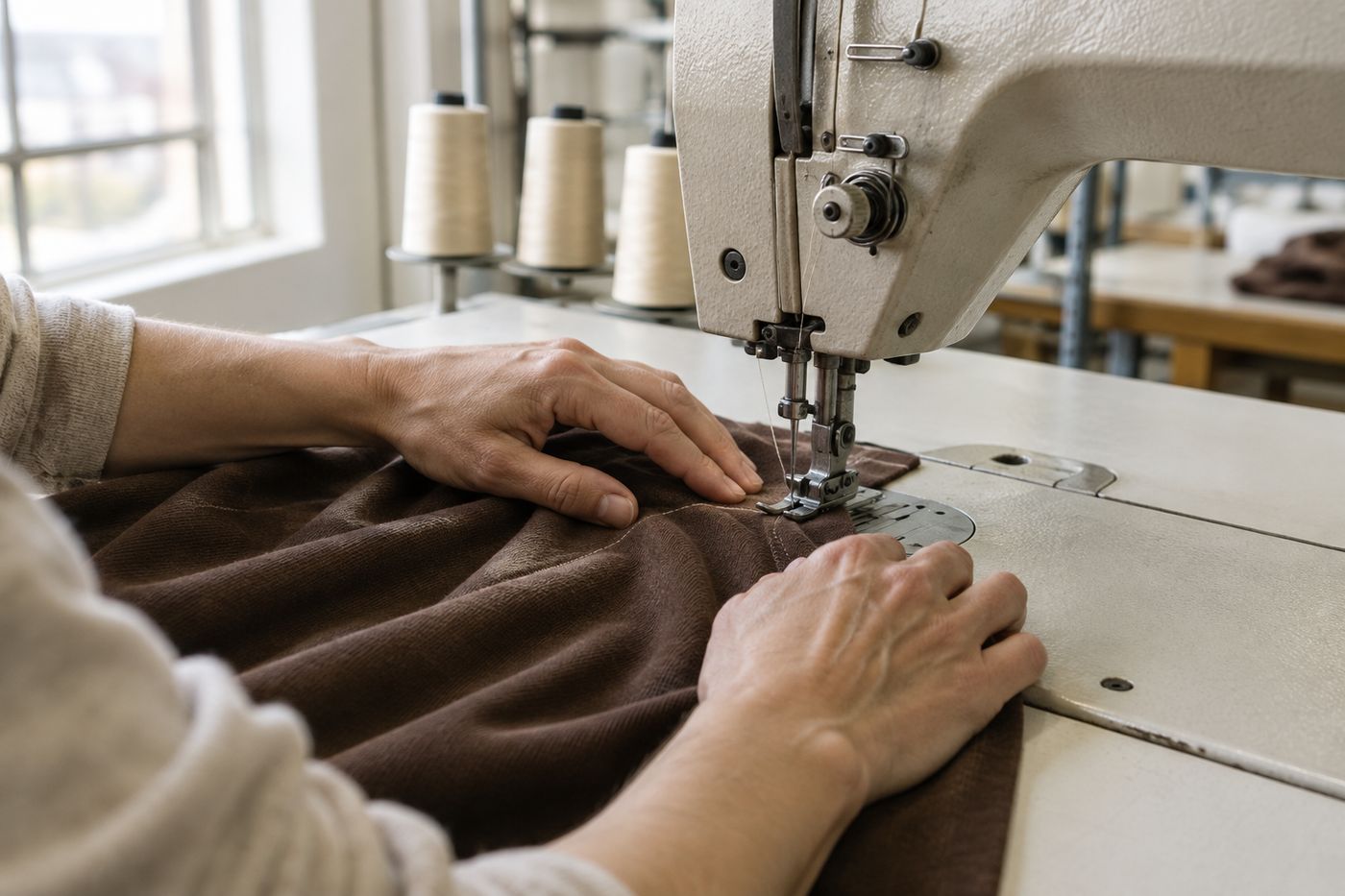
Made in small runs by people paid a US wage.
Sources
These studies describe textiles and plastics in general. None of them tested VIE products, and none proves that any garment causes a health condition. We read them as a reason to wear less plastic, not as a diagnosis.
Questions
The men's short is 100% wool. The women's pieces are 88% organic cotton and 12% bio-based spandex, because nothing natural stretches and recovers the way a legging needs to yet. There is no polyester or nylon in either.
No. We are saying it is plastic, that it sheds, that testing has found chemicals like BPA in it, and that the research on skin exposure is still young. We would rather not wait for it.
We will publish certificates and lab reports on this page as we receive them, with numbers you can check.
In the USA. Knit, cut and sewn here in small runs.